
Personalized care in Rancho Cucamonga
Headaches & migraine.
Care around you.
When headaches interrupt your day, begin with understanding the pattern and finding an appropriate next step.
At Blissful Wellness, we discuss your symptoms, goals, and current medical care. Acupuncture and individualized support may fit your plan, with soft-tissue or chiropractic care considered when appropriate.
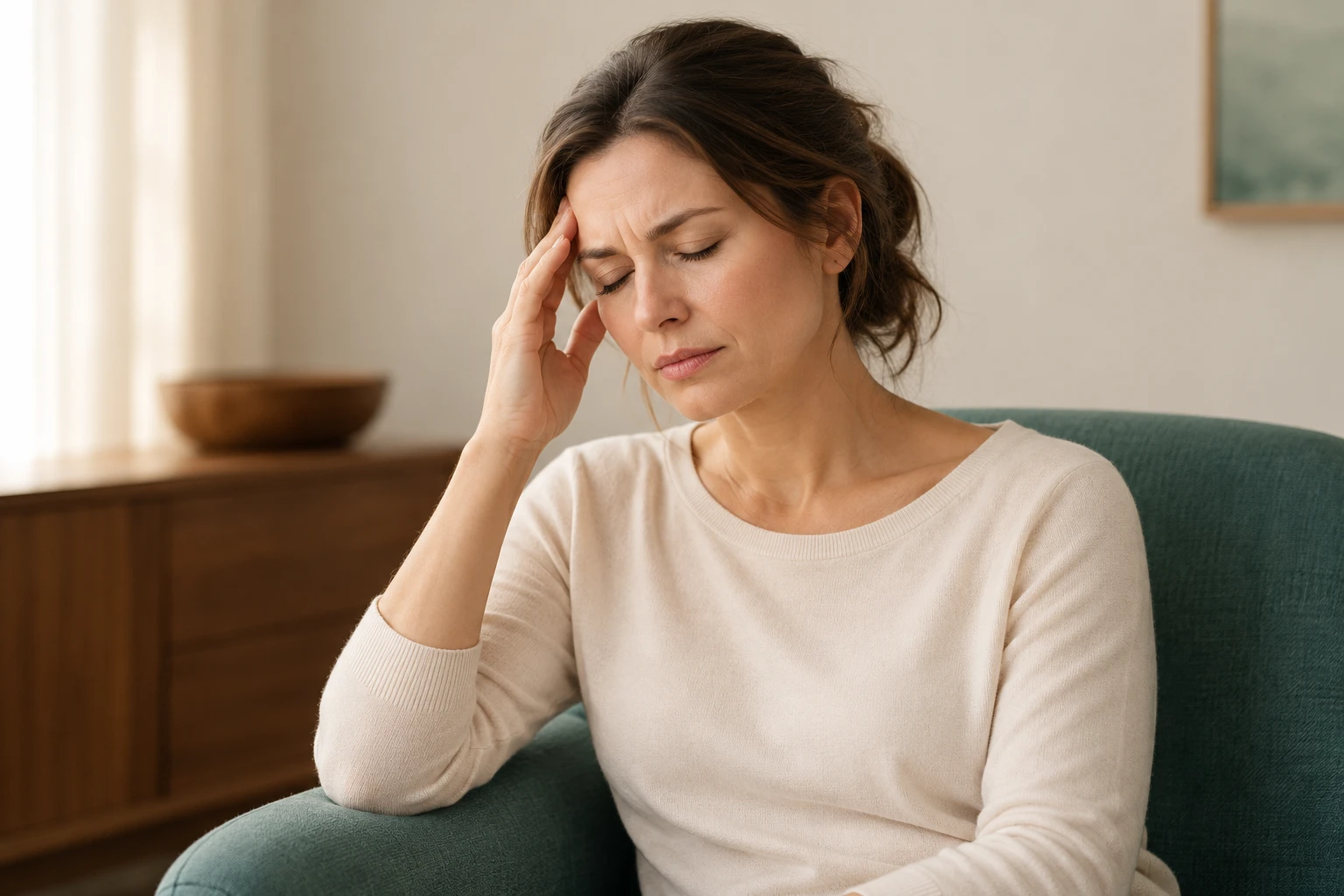
What brings you here?
Different patterns.
A thoughtful assessment.
These descriptions help start a conversation. They do not establish a diagnosis.
Tension-type headaches
A pressing or tightening sensation often affects both sides of the head. However, the location alone cannot tell you the cause.
Migraine
Attacks may involve throbbing pain, nausea, or sensitivity to light and sound. Some people also experience aura.
Headaches with neck discomfort
Neck pain can occur with several headache types. A neck-related headache needs assessment; not every migraine comes from the neck.
A sudden or unusual headache needs medical attention. See the medical-care guidance below.
Start with your story
Look at the pattern.
Plan around your life.
Tell us when headaches began, how often they occur, and how they affect sleep, work, or daily activities. Bring a medication list and any relevant medical reports.
Already have a migraine care plan? We can discuss supportive care alongside it. Continue prescribed treatment unless your prescribing clinician advises a change.
-
Listen & screen
First, we ask about your usual pattern and any new symptoms that may need medical evaluation.
-
Assess contributing concerns
Next, we consider neck movement and muscle tenderness when relevant, together with your health history.
-
Choose care & reassess
Finally, we discuss options and track headache days, severity, and daily function. A medical referral may be appropriate.
Personalized support
Care that fits your headache pattern.
The aim is to support comfort and function. Treatment results vary, and no single approach suits every headache.
Acupuncture
Acupuncture may be considered to help reduce headache frequency in some people. Your provider tailors point selection and needle choices to your needs and comfort. In addition, progress is reviewed as part of your plan.
Explore acupunctureMyofascial release
When muscle tension is part of your presentation, integrated soft-tissue care may address neck or shoulder discomfort. Pressure is adjusted to your tolerance. However, this does not establish or treat every cause of headache.
Explore myofascial releaseChiropractic care
For selected neck-related concerns, your provider may discuss mobilization or other suitable techniques after assessment. Evidence varies by headache type. We explain the options, risks, and alternatives before care.
Explore chiropractic careChinese herbal medicine
When appropriate, your doctor may recommend a formula based on your symptoms and traditional Chinese medicine assessment. Herbal recommendations can be discussed during acupuncture care or a separate consultation. Capsules are purchased separately.
Explore Chinese herbal medicineSupportive treatment complements appropriate medical care. It does not replace evaluation of a new or changing headache.
A closer look at the evidence
What does acupuncture research show?
Research supports discussing acupuncture as an option. Still, study findings are not a guarantee of individual benefit.
Migraine prevention
A 2016 Cochrane review found that adding acupuncture to usual care reduced migraine frequency. Benefits over sham acupuncture were smaller. The review focused on episodic migraine prevention, rather than emergency treatment of an attack.
Read the migraine prevention reviewTension-type headaches
A separate 2016 Cochrane review found acupuncture could help reduce frequent tension-type headaches. Results differed across comparisons, and the authors noted the need for more long-term evidence.
Read the tension-type headache reviewFor a broader overview, read NCCIH’s patient guide to headaches and complementary care.
Migraine & your menstrual cycle
When your cycle
is part of the pattern.
Do attacks cluster before or during your period? The natural drop in estrogen before menstruation can trigger migraine in some people. This does not necessarily mean your hormone levels are abnormal.
Menstrual migraine often occurs from two days before a period through the first three days of bleeding. However, attacks may also happen at other times. Tracking headaches alongside your cycle for at least three months helps your medical clinician identify the pattern.
At Blissful Wellness, we consider cycle timing, menstrual symptoms, sleep, and stress when planning care. Acupuncture and Chinese herbal medicine may be discussed as part of an individualized plan for cycle-related symptoms.
Learn more about menstrual migraineBetween visits
Useful information.
Small, manageable habits.
Rather than assume a trigger, look for patterns and discuss them with your provider.
Keep a headache diary
Record headache days, duration, severity, and symptoms. Also note medicines used and their effect. This helps you and your medical team assess progress.
Keep routines steady
Regular meals, hydration, and consistent sleep may be helpful. However, do not blame yourself when an attack happens despite healthy habits.
Review medicine use
Frequent use of headache medicines can sometimes contribute to more headaches. Therefore, discuss usage with your prescribing clinician rather than stop medication on your own.
Helpful answers
Headache & migraine questions.
Understanding your symptoms
Are migraine and tension headaches the same?
No. They are different headache types, although symptoms can overlap. An assessment helps clarify the pattern and appropriate care.
Does neck pain mean my headache comes from my neck?
Not necessarily. Neck discomfort can accompany migraine or other headaches. Therefore, your provider considers the full symptom pattern before recommending neck-focused care.
What is migraine aura?
Aura can include temporary visual or sensory symptoms in some people with migraine. However, new weakness, speech difficulty, sudden vision loss, or an unfamiliar neurological symptom needs emergency medical assessment. Call 911 for stroke-like symptoms; do not assume it is your usual aura.
Choosing your care
Can acupuncture help with migraine?
Research suggests acupuncture may help reduce attack frequency in some people with episodic migraine. Results vary. Your provider can discuss whether it fits alongside your existing treatment.
Will I need a neck adjustment?
No particular technique is required for every headache. Options depend on assessment, your preferences, and clinical suitability. You can discuss gentle approaches and alternatives before treatment.
Should I stop my migraine medicine?
No. Continue prescribed medicines unless your prescribing clinician advises otherwise. Also tell us about supplements and nonprescription products you use.
Can you help with migraines around my period?
We can assess your pattern and discuss acupuncture, with Chinese herbal medicine considered when suitable. Keep a diary of headaches and cycle dates for at least three months. Your medical clinician can also advise on migraine prevention timed to your cycle.
Can acupuncture or herbs balance my hormones?
Supporting balance and menstrual regulation is a traditional Chinese medicine treatment goal. However, evidence does not establish that these treatments reliably normalize hormone levels. We focus on your symptoms and function, with medical evaluation when a hormonal disorder is suspected.
Do I need acupuncture to have an herbal consultation?
No. Herbal recommendations can be part of your acupuncture visit, or you can book a separate herbal consultation. Recommended capsules are purchased separately. Book an herbal consultation.
Planning your visit
How many visits will I need?
That depends on your headache pattern, goals, and response. We discuss a plan and reassess changes in headache days and daily function rather than promise a fixed number of visits.
Is headache care covered by insurance?
Coverage depends on your plan, the service, and medical necessity. Request verification before your appointment. Standalone massage is self-pay.
Blissful Wellness · Rancho Cucamonga
Start with a conversation.
Plan your next step.
Tell us about your headaches and what matters most to you. Together, we will discuss appropriate options for your care.